
Professional Floor Hacking, Tile Removal, and Floor Finish Stripping Services
Floor & Tile Removal Contractor
Floor removal is often the messiest and most labour-intensive part of a reinstatement project. Tenants install a wide variety of floor finishes over the course of a lease — carpet tiles, vinyl planks, ceramic tiles, parquet, epoxy coatings, and raised flooring systems. Each requires a different removal technique. We provide professional floor and tile removal that clears every layer down to the original substrate, ready for handover.
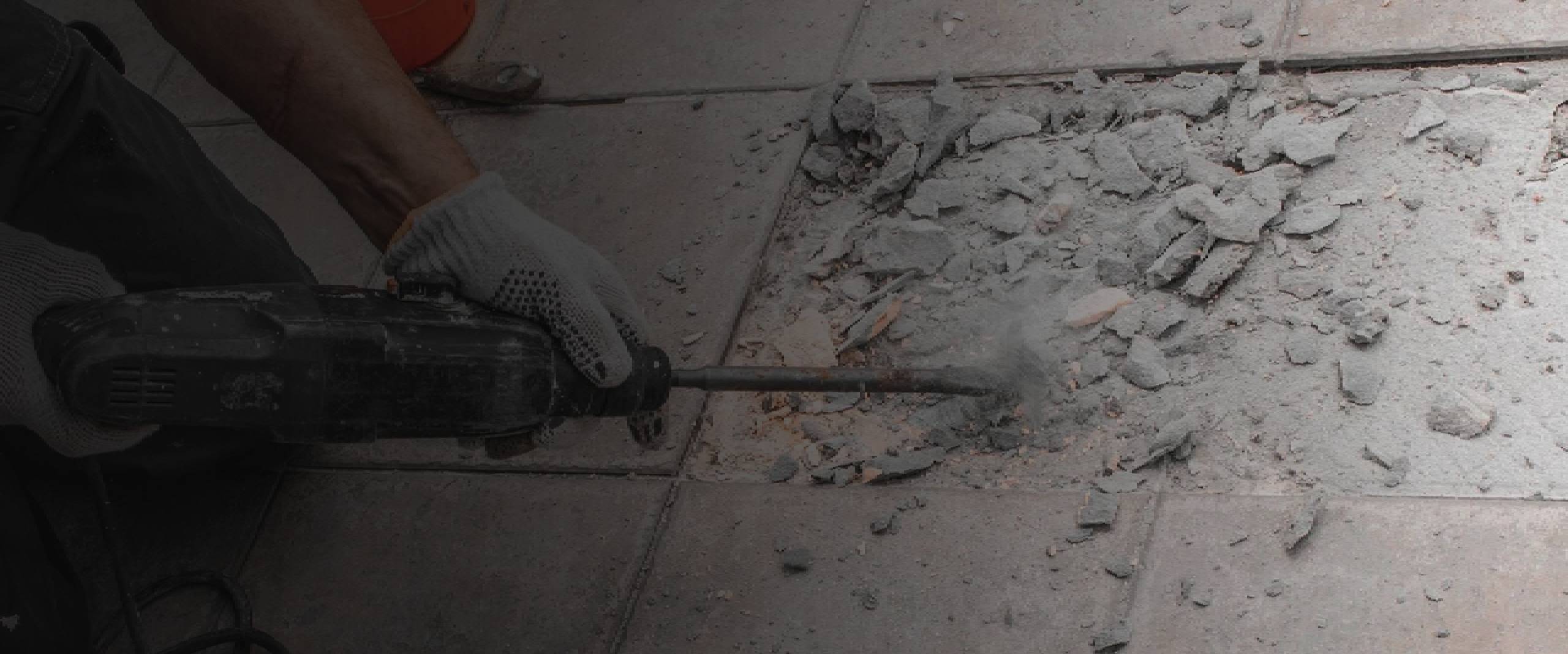
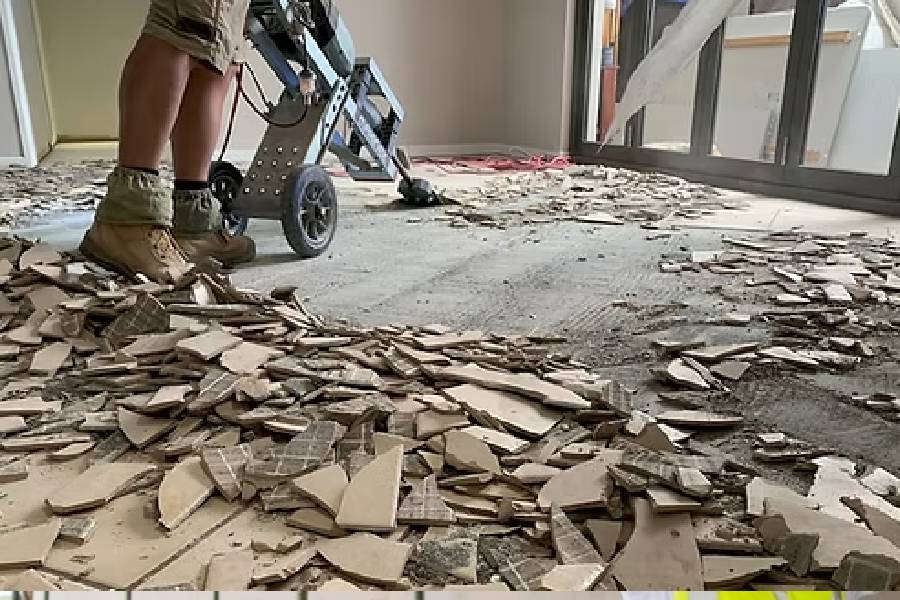
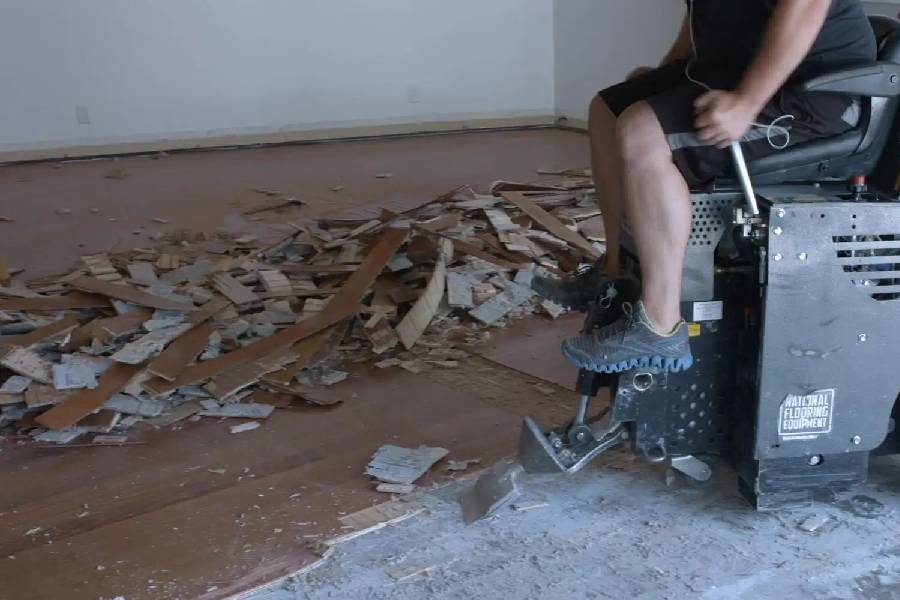
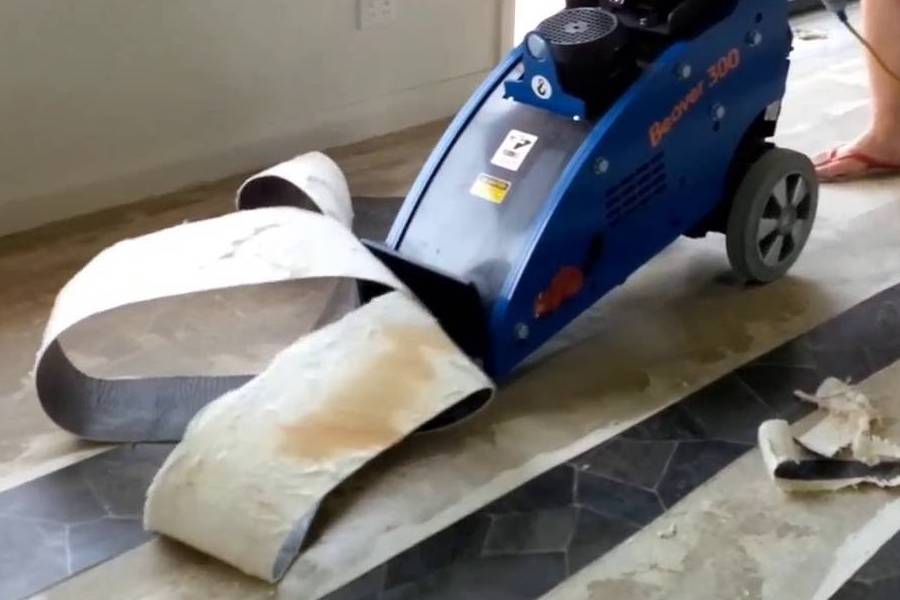
Layer-by-layer removal helps protect the base slab and prepare it for handover. Identify tiles, vinyl, carpet or raised flooring. Lift finishes using suitable equipment. Remove adhesive and address the exposed substrate. Bag debris and leave the floor ready for inspection. Ceramic, porcelain, quarry, and homogeneous tiles are hacked up using powered breakers and hand tools. We work in sections to control debris and dust. The underlying cement screed is assessed — if it was part of the original unit it may remain; if it was added by the tenant, it may need to be removed as well. We follow the landlord’s handover specification precisely. Carpet tiles, broadloom carpet, vinyl planks, vinyl sheets, and linoleum are lifted using scrapers and floor strippers. Adhesive residue on the subfloor is removed. For raised flooring systems — common in offices for under-floor cabling — the panels, pedestals, and stringers are dismantled systematically, and the original floor beneath is exposed and cleaned. Solid timber parquet, engineered wood, and laminate flooring are lifted carefully to minimise damage to the subfloor. Parquet laid with bitumen adhesive — common in older HDB flats and shophouses — requires additional effort and may involve controlled scraping. We assess the subfloor condition after removal and advise if any patching or levelling is required.Floor Removal Workflow
Confirm
Remove
Prepare
Clear
What Floor & Tile Removal Covers
Tile Hacking and Removal
Vinyl, Carpet, and Soft Flooring Removal
Parquet, Timber, and Laminate Flooring Removal
Full Floor & Tile Removal Scope
Flooring Types We Remove
Process
Property-Specific Considerations
What Is Not Included
Floor and tile removal does not include:
Project Timeline
A single room of ceramic tiles can be hacked and cleared in one day. A full HDB flat floor area (all rooms) typically takes 2 to 4 days. Larger commercial units with multiple flooring layers may take 3 to 7 days. The timeline depends on the total floor area, the number of layers, the material hardness, and property-specific working-hour restrictions.
Enquire About Floor & Tile Removal
We provide a free site survey and professional advice on your floor and tile removal requirements. The cost depends on the floor area, material type, number of layers, and whether permits are needed. All quotations are fixed price.
Frequently Asked Questions
Do I need to remove all the flooring or just the top layer? | It depends on your landlord's handover requirements. Some landlords require only the tenant-added finishes to be removed, leaving the original floor intact. Others require all layers down to the structural slab. We review your lease agreement and landlord's specifications during the site assessment and advise on exactly what needs to be removed. |
Can you remove tiles without damaging the underlying waterproofing? | In wet areas such as bathrooms and kitchens, we take care to preserve the original waterproofing membrane where it is still intact and functional. If the waterproofing was added by the tenant or is damaged, it may need to be redone — this is typically outside the reinstatement scope and would be coordinated with the landlord. |
What about the noise and dust from floor hacking? | Floor hacking generates significant noise and dust — especially tile and screed removal. We use dust containment measures including protective sheeting and, where required, hoarding boards. All work is conducted within the permitted hours for your property type. For occupied neighbouring units, we coordinate working schedules to minimise disruption. |
How is the debris from floor removal disposed of? | All floor debris — tiles, screed, carpet, vinyl, adhesive residue — is bagged on site and transported to NEA-approved disposal facilities. For commercial buildings, we coordinate lift bookings with building management. For HDB flats, debris is carried down via the designated route and must not be disposed of in common area bins or refuse chutes. |
Does the subfloor need to be perfectly clean for handover? | The subfloor should be free of all tenant-added materials — no tile fragments, no adhesive patches, no carpet fibres, no screws or fasteners. Some landlords require a swept-clean finish; others require the subfloor to be levelled. We follow the exact specification in your handover requirements. Our goal is to leave the subfloor in a condition that passes landlord inspection on the first attempt. |