
Professional False Ceiling Dismantling, Grid Ceiling Removal, and Ceiling Restoration Services
False Ceiling Removal Contractor
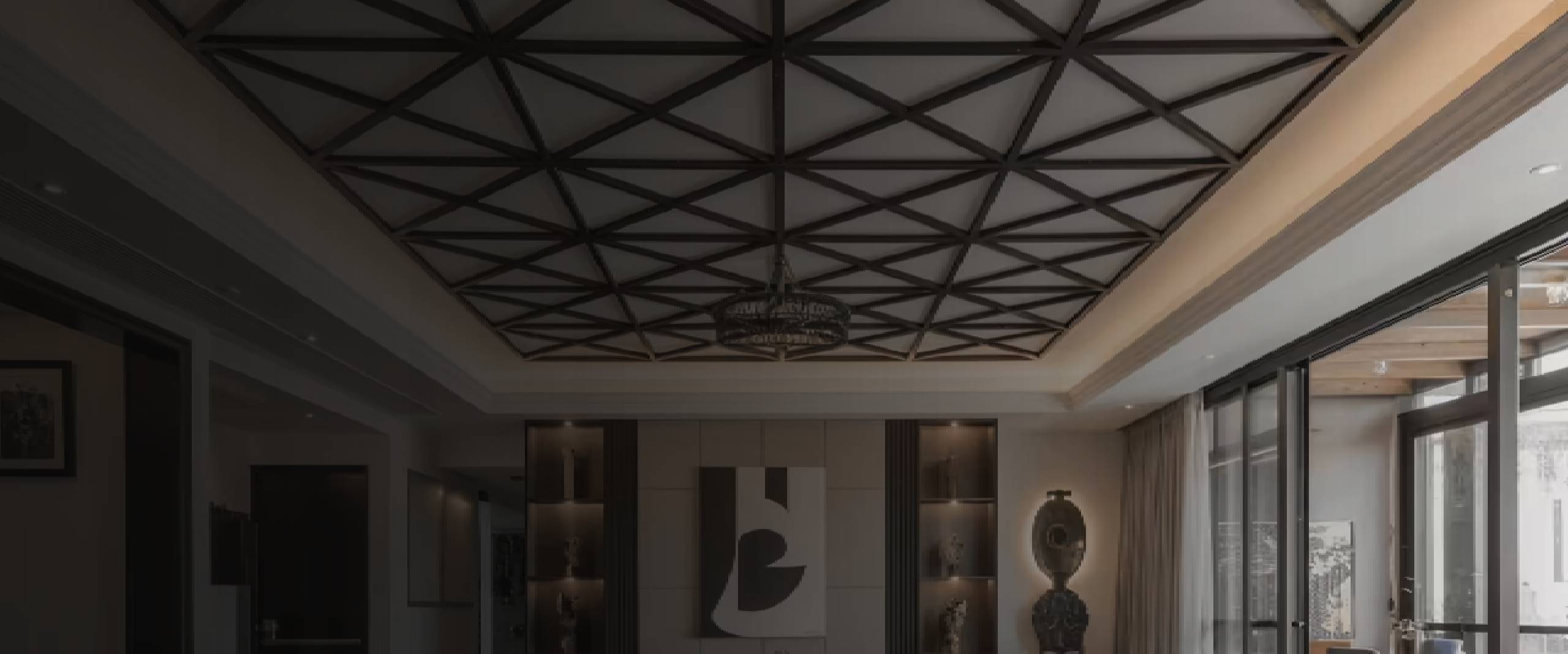
False ceilings are among the most common tenant installations in Singapore — they conceal original ceiling boards, hide air-conditioning ducting and electrical trunking, and create a cleaner, more finished look. When a lease ends, these ceilings must come down and the original ceiling restored. We provide professional false ceiling removal across all property types, handling everything from simple plasterboard panels to complex suspended grid systems with integrated services.
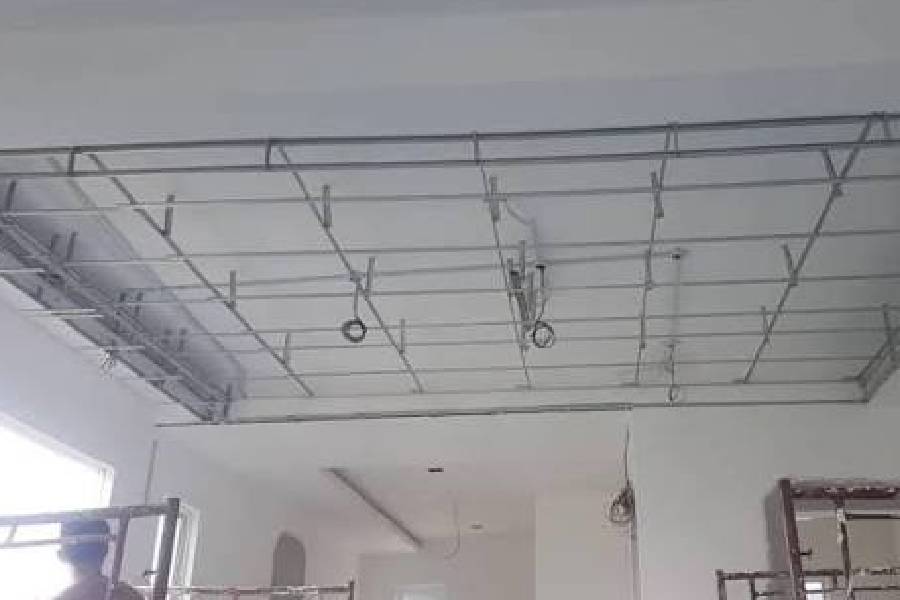
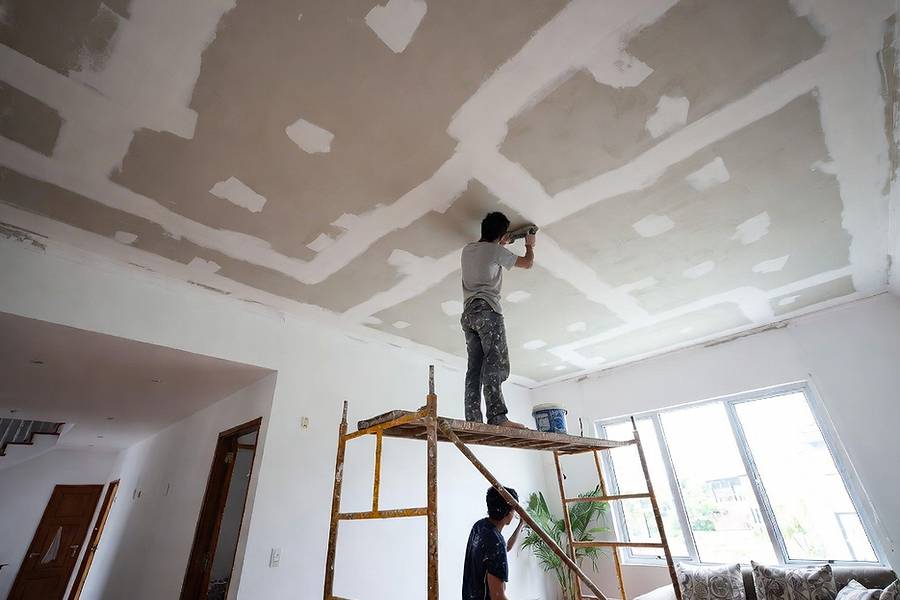
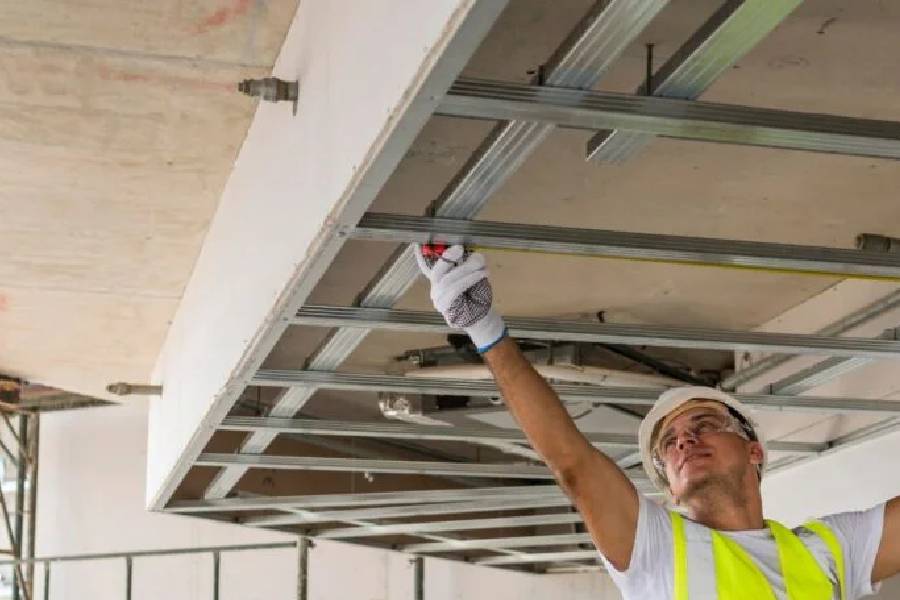
Ceiling works must be coordinated with the services installed above them. Identify lights, ducts, sprinklers and cables. Make affected services safe before removal. Remove panels, grids and supporting framework. Make good junctions and required retained areas. The most common false ceiling type in offices and retail units. We dismantle plasterboard panels, metal furring channels, and suspension rods. The ceiling is taken down in sections to control dust and debris. Once the framework is removed, the original ceiling above is exposed, inspected, and prepared for restoration. Common in offices and commercial spaces, suspended grid ceilings consist of a metal T-bar framework holding acoustic tiles, lighting panels, and air diffusers. We remove the tiles first, then dismantle the grid — carefully lowering suspension wires and extracting perimeter angles. Lighting fixtures and air-conditioning diffusers integrated into the grid are disconnected and removed by licensed tradesmen. Once the false ceiling is down, the original ceiling must be restored. This typically involves: removing residual anchor bolts, screws, and suspension hooks; patching holes left by mounting hardware; filling gaps where perimeter angles were fixed to walls; smoothing the ceiling surface; and repainting to match the original colour. The goal is a ceiling that looks as if nothing was ever attached to it. For commercial buildings, false ceiling removal typically requires building management or MCST approval as part of the reinstatement application. In HDB properties, ceiling work falls under the renovation permit. Where the false ceiling removal affects fire sprinkler coverage, we coordinate with the building’s fire system contractor to ensure compliance — this is not a step to skip.Ceiling Removal Workflow
Trace
Isolate
Dismantle
Restore
What False Ceiling Removal Covers
Plasterboard and Drywall Ceiling Removal
Suspended Grid and T-Bar Ceiling Dismantling
Ceiling Restoration After Removal
Full False Ceiling Removal Scope
Ceiling Types We Remove
What We Handle During Removal
Ceiling Restoration Scope
What Is Not Included
False ceiling removal and restoration does not include:
Permits And Compliance
Project Timeline
A single room false ceiling can be removed and restored in 1 to 2 days. A full office floor or retail unit may take 3 to 5 days. Grid ceiling removal is generally faster than plasterboard ceiling removal. The timeline is extended if there is extensive M&E equipment integrated into the ceiling that requires disconnection.
Enquire About False Ceiling Removal
We provide a free site survey and professional advice on your false ceiling removal and ceiling restoration requirements. The cost depends on the ceiling area, ceiling type, number of integrated services, and the condition of the original ceiling above. All quotations are fixed price.
Frequently Asked Questions
Do I need to remove the false ceiling even if the next tenant might want it? | Yes — unless your landlord has explicitly agreed in writing that the false ceiling can remain. Most tenancy agreements require all tenant-installed additions to be removed, and false ceilings are one of the most visible items during handover inspection. The next tenant may have completely different ceiling and lighting requirements. |
What happens to the lights and aircon diffusers in the false ceiling? | All lighting fixtures integrated into the false ceiling are disconnected and removed by licensed electricians. Air-conditioning diffusers, flexible ducts, and grilles are disconnected and removed. These items are tenant-installed and must be cleared as part of reinstatement. The original ceiling-mounted services (if any) remain untouched. |
Can the original ceiling be damaged during false ceiling removal? | We take care to avoid damage, but some minor surface marks from anchor bolts and screws are unavoidable. This is why ceiling restoration — patching, filling, and repainting — is part of the scope. If the original ceiling has pre-existing damage (water stains, cracks, spalling), we document this before work begins so it is not attributed to the reinstatement. |
How long does ceiling restoration take after the false ceiling is removed? | Ceiling restoration — patching, filling, sanding, and repainting — typically takes 1 to 2 days for a standard unit, depending on the extent of the mounting hardware that needs to be made good. This is usually done alongside wall restoration as part of the broader reinstatement timeline. |
Do you need building management approval to remove a false ceiling? | Yes. Most commercial buildings require approval as part of the reinstatement or renovation application. We handle this submission as part of our service. The application includes details of the ceiling area to be removed, the method of removal, and confirmation that fire safety systems will be coordinated. |