
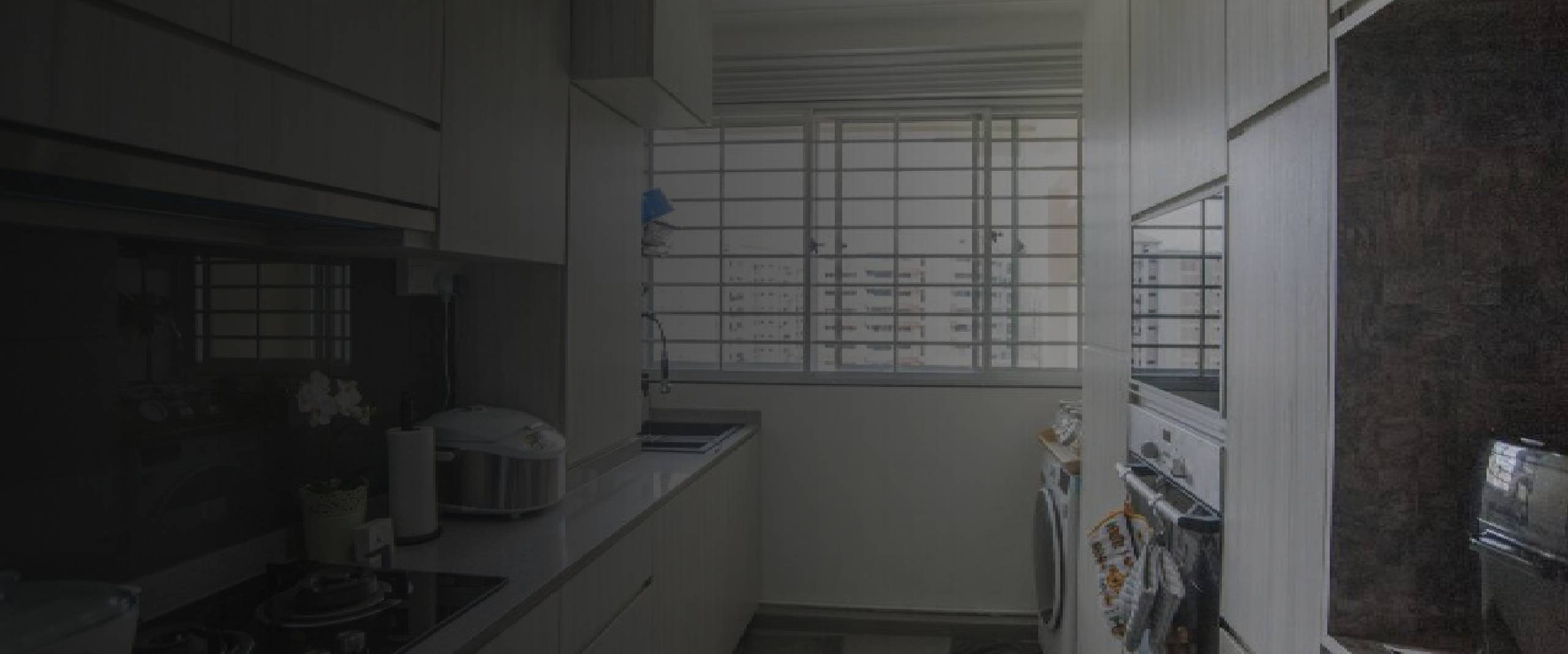
Professional Dismantling of Built-in Wardrobes, Kitchen Cabinets, Counters, and Fixed Joinery
Built-In Carpentry Removal Contractor
Built-in carpentry is designed to stay put — which is exactly why removing it requires the right technique. Kitchen cabinets anchored to walls and floors, wardrobes fitted tightly into recesses, reception counters bolted through floor tiles, wall-length display units fixed at multiple anchor points — each piece of built-in joinery resists removal in its own way. We provide professional dismantling that takes apart built-in carpentry cleanly, without damaging the surrounding surfaces that must be restored afterward.
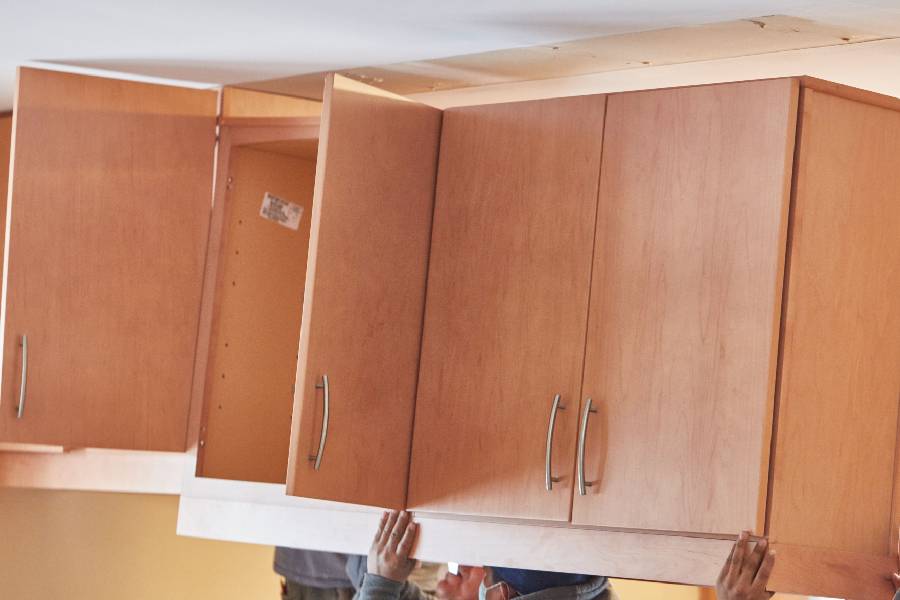
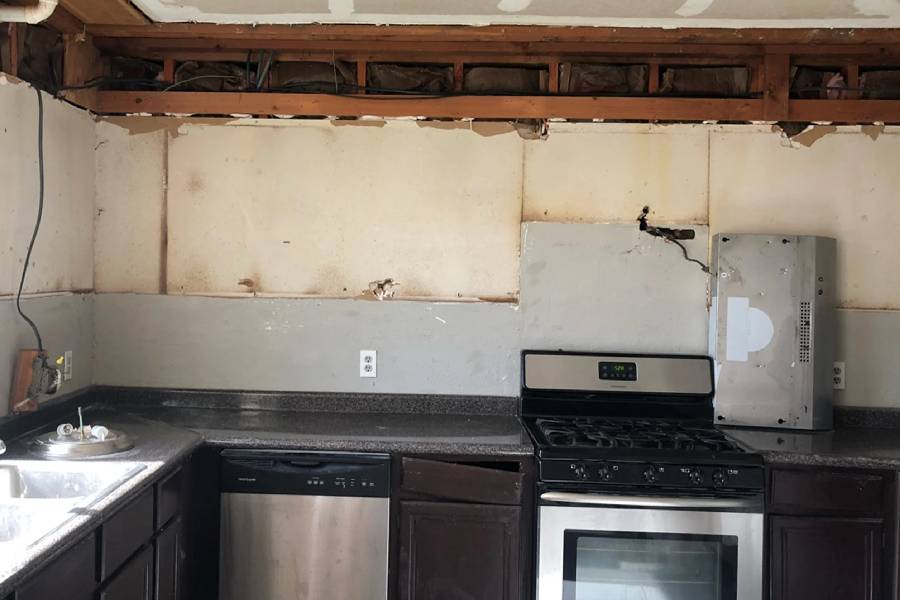
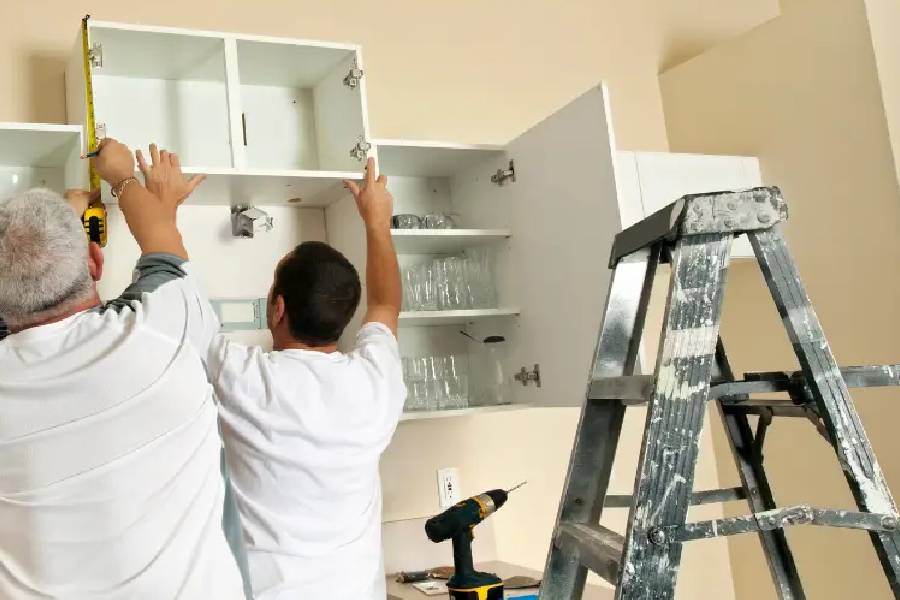
Built-ins are dismantled in stages to expose services and protect retained surfaces. Identify power, plumbing and concealed connections. Remove doors, tops, carcasses and supports. Remove anchors, debris and loose materials. Repair fixing points and exposed surfaces. Kitchen systems are the most complex built-in carpentry to remove — interconnected upper and lower cabinets, solid surface or stone countertops, sinks with plumbing connections, built-in cooktops with gas or electrical connections, and range hoods with ducting. We dismantle in the correct sequence: disconnect services first, remove countertops, then cabinets in sections from top to bottom. Plumbing and gas connections are capped by licensed tradesmen. Built-in wardrobes — common in HDB flats, condominium units, and office pantries — are dismantled piece by piece. Sliding door tracks are unbolted from the floor and ceiling. Swing doors are taken off hinges. Internal shelving, hanging rods, and drawer units are removed. The carcass is then separated from the walls, floor, and ceiling. Once the wardrobe is out, the recess is clear for surface restoration. Reception counters in offices and clinics, display counters in retail shops, service counters in F&B outlets — all are typically floor-mounted and sometimes wall-mounted. We cut fixings, break silicone seals, and dismantle counters into transportable sections. Wall-mounted display shelving and feature joinery is unbolted, and the anchor points are left ready for patching.Carpentry Removal Workflow
Disconnect
Dismantle
Clear
Make Good
What Built-In Carpentry Removal Covers
Kitchen and Pantry Dismantling
Wardrobe and Storage System Removal
Counter, Reception, and Display Joinery Removal
Full Built-In Carpentry & Cabinet Removal Scope
Residential and HDB
Commercial and Office
Process
What Is Not Included
Built-in carpentry and cabinet removal does not include:
Project Timeline
A single built-in wardrobe can be dismantled and cleared in 2 to 4 hours. A full kitchen system takes half a day to a full day, including services disconnection. An entire HDB flat with multiple built-ins takes 1 to 2 days. Office pantries and reception counters are typically cleared within a day.
Enquire About Built-In Carpentry Removal
We provide a free site survey and professional advice on your built-in carpentry removal requirements. The cost depends on the number of units, size, material, and whether services disconnection is required. All quotations are fixed price.
Related Reinstatement Services
Frequently Asked Questions
Can you remove built-in carpentry without damaging the tiles behind it? | We take all reasonable care, but some minor surface marks are difficult to avoid — especially where cabinets were fixed to walls with heavy-duty anchors or construction adhesive. The wall and floor areas behind built-in carpentry almost always require some patching and repainting. This is normal and is included in the surface restoration phase of reinstatement. |
What happens to the plumbing and electrical connections behind kitchen cabinets? | All water supply lines are isolated and capped by a licensed plumber. Drainage points are sealed. Electrical connections to cooktops, hoods, and under-cabinet lighting are disconnected and terminated by a licensed electrician. Gas connections are capped by a licensed gas service worker. No services are left live or exposed. |
Can you dismantle built-in carpentry so it can be reused? | Yes, with advance notice. If you want to retain your kitchen cabinets, wardrobe, or counter for use at another property, we can dismantle carefully — unscrewing rather than breaking, labelling components, and protecting surfaces during transport. This takes longer and may cost more than standard removal, but is entirely possible. Tell us during the site assessment. |
What if my built-in wardrobe is fitted wall-to-wall and ceiling-to-floor? | This is the most common built-in wardrobe configuration in HDB flats and condominiums. We dismantle the wardrobe in sections from the inside out — removing doors and tracks first, then internal components, then the carcass frame. The tight fit means the wardrobe must be cut into sections to be removed from the room. We protect the surrounding walls and floor throughout the process. |
Is the debris from built-in carpentry recyclable? | Some components are — metal hardware, hinges, handles, and aluminium tracks can be recycled. Timber and board materials (MDF, chipboard, plywood) are generally not recyclable through standard channels due to laminates, adhesives, and finishes. We separate recyclable metals where possible and dispose of the rest at NEA-approved facilities. |